
What Is Digital Marketing?
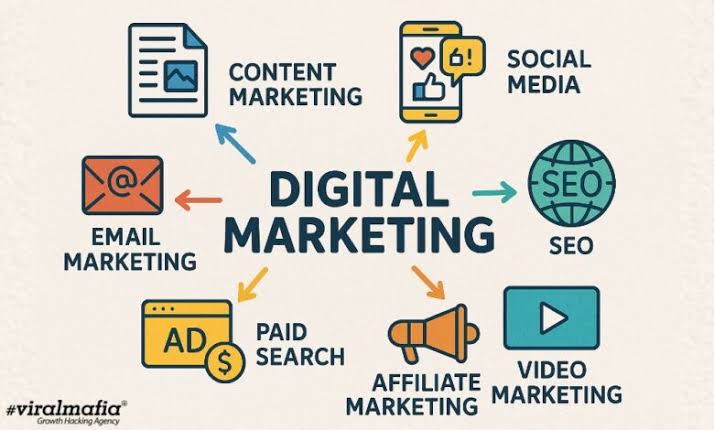
Digital marketing is the process of promoting products, services, or brands through digital platforms such as websites, search engines, social media, email, and online advertisements. It allows businesses to communicate directly with their target audience and share valuable information about their products and services.
Why Is Digital Marketing Important for Your Business?
1. Increases Brand Awareness
Brand awareness is important for helping customers recognize and remember your business. Digital marketing allows businesses to showcase their brand through social media posts, websites, blogs, videos, and online advertisements. By sharing consistent and valuable content, businesses can build a recognizable identity and attract more potential customers.
2.Reaches the Right Audience
One of the biggest advantages of digital marketing is the ability to target specific audiences. Businesses can reach people based on their interests, location, age group, and online behaviour, depending on the platform and advertising options available.
3.Helps Increase Sales and Revenue
Digital marketing creates opportunities to attract potential customers and guide them towards making a purchase. Through social media campaigns, search engine optimization, email marketing, and paid advertisements, businesses can introduce their products to interested audiences.
4.Provides Cost-Effective Marketing
Traditional advertising methods, such as television, newspapers, and billboards, can be expensive. Digital marketing offers flexible options for businesses with different budgets. Businesses can begin with organic social media content, blogging, and basic SEO before investing in paid campaigns.
Different Types of Digital Marketing
Search Engine Optimization
SEO helps improve a website’s visibility in search engine results. By using relevant keywords, creating helpful content, improving website performance, and organizing pages effectively, businesses can attract people who are actively searching for related products or services.
Social Media Marketing
Social media marketing involves promoting a brand through platforms such as Instagram, Facebook, LinkedIn, and YouTube.Businesses can share posts, reels, videos, stories, and updates to connect with their audience, increase engagement, and build brand awareness.
Content Marketing
Content marketing focuses on creating and sharing useful, relevant content to attract and engage an audience. Blog articles, videos, guides, infographics, and educational posts can answer customer questions, demonstrate expertise, and help build trust in a brand.
Email Marketing
Email marketing helps businesses communicate directly with people who have chosen to receive their messages.Newsletters, product updates, special offers, and personalized recommendations can keep customers informed and encourage repeat purchases.
Search Engine Marketing
Search engine marketing commonly refers to paid advertising on search engines.
Businesses can display advertisements when people search for relevant keywords. This can help attract targeted visitors and generate leads, although results depend on campaign quality, competition, and budget.
Website Development
A professional website acts as an online home for a business. It provides information about products and services, showcases the brand, and helps customers contact the business or make purchases. A user-friendly, mobile-responsive website can support the success of other digital marketing activities.
Common Digital Marketing Mistakes to Avoid
Businesses should avoid posting content without a clear strategy, ignoring customer feedback, targeting the wrong audience, and expecting immediate results from every campaign. It is also important not to focus only on follower counts or likes.
Meaningful measures such as qualified leads, conversions, customer retention, and return on investment can provide a better understanding of business pertormance.
The Future of Digital Marketing
Digital marketing continues to evolve as technology and customer behaviour change. Artificial intelligence, marketing automation, personalized content, short-torm videos, and data-driven decision-making are influencing how businesses connect with their audiences. Businesses that remain adaptable, understand customer needs, and focus on delivering genuine value will be better prepared to respond to these changes.
Conclusion
Digital marketing is much more than promoting products and services online. It is a powerful way to build brand awareness, connect with the right audience, develop customer relationships, and create opportunities for business growth. By combining SEO, social media marketing, content marketing, email marketing, and other suitable strategies, businesses can strengthen their online presence and compete more effectively in the digital marketplace.